


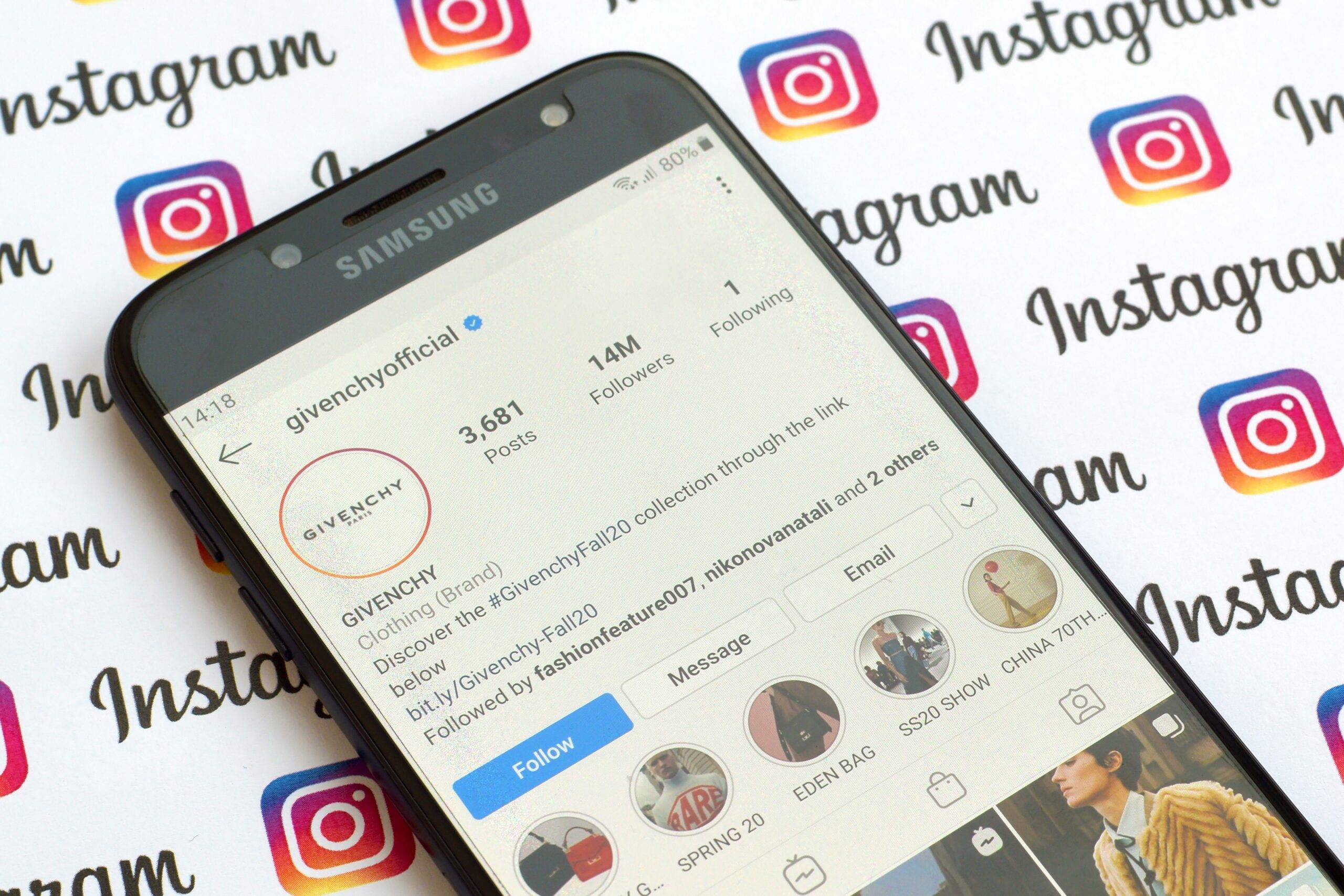
The year 2026 on Instagram will be a turning point, characterized by an unprecedented strategic duality. On the one hand, the rise of artificial intelligence, which will redefine advertising, transforming the marketer from an executor of manual tasks to a strategic supervisor. On the other, a continuous response from consumers and the platform algorithm itself, which comes to value authenticity, original content and human connections as competitive differentials.
The analysis by mLabs, the smart social media management platform, details the top eight trends for 2026 that are expected to shape content, behavior, sales and influence on the platform.
1. Full automation in paid traffic
Instagram will experience a break in paid traffic with the Meta plan to completely automate the creation and delivery of ads by the end of 2026. The logic is to democratize access to advertising, especially for small and medium-sized companies that do not have specialized teams. “In this new context, the marketer ceases to be an executor and starts to act as a strategic supervisor. Its value will be in providing clear briefings, ensuring brand coherence and adjusting the creativity generated by the AI”, comments Rafael Kisso, CMO and founder of mLabs.
2. The end of cookies and the rise of first-party data
With the discontinuation of third-party cookies and the increase of privacy restrictions, first-party data becomes the gold“meda” of digital marketing.Because it is collected directly from the audience and with consent, it ensures compliance with the LGPD and becomes fundamental to feed the automated campaigns of Meta, whose performance will depend on the quality of this data. The movement opens space for hyperpersonalization at scale, allowing more accurate audiences for remarketing and prospecting.
3.“Unshittification”: the return to authenticity
Saturation of AI-generated content increases the demand for real, imperfect and emotional stories. The search for simplicity and humanity strengthens lo-fi formats and repositions authenticity as a competitive differential. It is the balance between automation and emotion that sustains community building. This return to simplicity, dubbed “unshittification”, puts humanity back as a competitive differentiator. Brands begin to test new voices and styles, betting on genuine stories to gain relevance in the organic.
4. The domain of video and long-short content
Reels continue as a priority of the algorithm, now with an extended duration of up to 90 seconds, valuing retention. The challenge for brands and creators will be to master micro-storytelling, capture the user in seconds and deepen the message in the sequence. A critical point is that Instagram will penalize republished content, privileging original productions.
5. Carousel turns into storytelling tool
The expansion of the carousel to 20 photos or videos deepens engagement and allows from long tutorials to full showcases of products. The carousel was already a high engagement format, as it encourages the length of stay and interaction. The increase in the image limit is a direct response to the competition with TikTok, which allows more photos and has grown among the young audience.
“This functionality offers the opportunity to create a synergy of content: a viral Reels can serve as the “iscA”, directing the audience to a carousel in the feed that deepens the theme and ultimately to an” sale, says the executive.
6. Social SEO: being found matters more than viralizing
Instagram consolidates itself as a search engine. In this scenario, applying social SEO becomes indispensable. To gain organic reach in 2026, brands must optimize name, bio, captions and hashtags with relevant keywords, structuring the content to be discovered. “The logic of viralization gives way to the logic of qualified discovery, and those who master these practices tend to consolidate themselves as authority in the” niche”, points out Kiso.
7. Social commerce evolves beyond lives
Social commerce continues to expand globally, even in the face of Instagram's decision to end Live Shopping. Meta now focuses efforts on shopping ads and direct checkout on the platform, a more scalable model and aligned with the advancement of AI automation. According to the expert, for brands and creators, the recommendation is clear: “not to depend on a single format and focus on content that leads to checkout, combined with paid traffic campaigns optimized for” conversion.
8. Influencer marketing 2.0 and integrated affiliates
Influencer marketing continues to expand globally and evolves into a more results-oriented model.The focus migrates from mega-influencers to micro and nano-creators, which offer greater engagement and authenticity, a decisive factor for the 2026 consumer, who relies more on“ recommendations for proximity” than on celebrities.
“The merging of models allows brands to drive the full journey from discovery to purchase, using creators as trust vectors and traceable links as the” performance engine, concludes Kiso.


 Português do Brasil
  English
  Español
  Deutsch
  香港中文
香港中文  Русский
  हिन्दी
  Français
  Italiano
  日本語
日本語  العربية
  繁體中文
繁體中文  বাংলা
বাংলা  Български
  Čeština
  Dansk
Dansk  Ελληνικά
  Suomi
Suomi  Hrvatski
  Magyar
  Bahasa Indonesia
  한국어
한국어  Lietuvių kalba
  Nederlands
  Norsk bokmål
  Polski
  Português de Angola
  Português
  Română
  Slovenčina
  Slovenščina
  Svenska
  ไทย
ไทย  Türkçe
  Українська
  Tiếng Việt
  简体中文
简体中文  Afrikaans
  Íslenska
  Luxembourgish
  Bosanski
  Հայերեն
  Shqip
Shqip  Kiswahili
  فارسی
فارسی  Српски језик
  اردو
اردو  Latviešu valoda
  Català
  Eesti
Eesti  Bahasa Melayu