


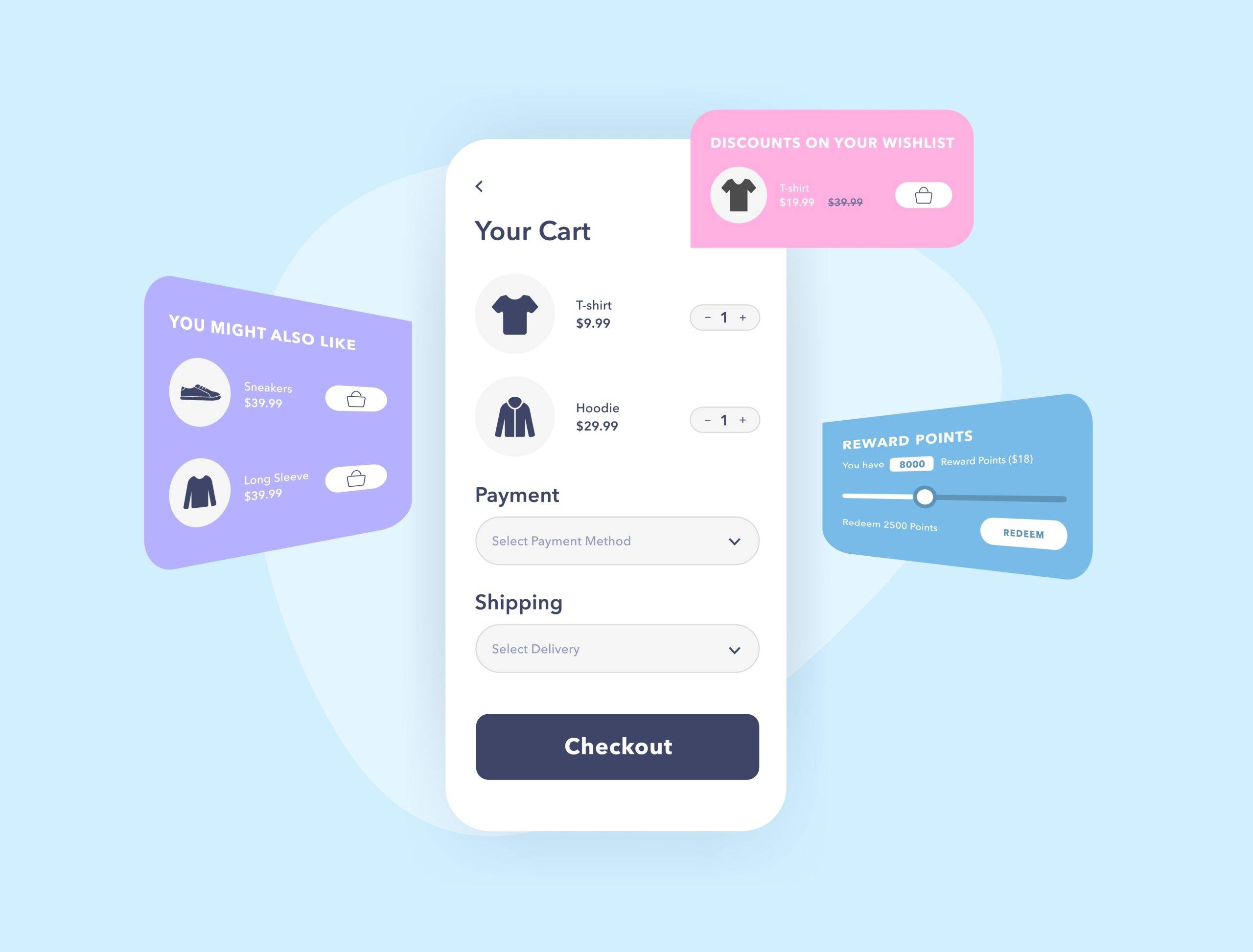
Buy now, pay later applied to relationships between companies emerges as an alternative to increase sales without compromising the cash flow of the seller.
In this model, the legal entity customer acquires goods or services and installs the amount without using a card. Meanwhile, the supplier can receive cash through a financial partner.
Complete platforms such as MOVA (Serasa Experian) deliver end-to-end infrastructure: technology, credit analysis, billing and compliance. Integration via API or White Label facilitates adoption and checkout experience.
The following guide explains when this solution makes sense, how it differs from card or credit card, and what risks will require product, financial, and business attention.
In a nutshell: it is a tool to give more flexibility to the buyer, improve predictability of the seller and track the digital growth of the market.
Main Lessons
- Understand the dynamics: PJ buys installments, seller receives in cash.
- Evaluate platform: integration, credit engine and collection.
- Compare experience with card and credit card.
- Attention to risk, data and compliance.
- Focus on KPIs useful for product and financial decisions.
What is BNPL and why the model is gaining ground in Brazil
A digital installment solution allows companies to make a purchase and install payment in clear conditions, directly at checkout. This format facilitates higher value purchases without depending on the card limit.
Business definition and application
In practice, a supplier offers installment payment to the PJ customer at the time of payment. The operation is 100% digital and transparent: installments, fees and deadlines appear in the finalization flow.
Why go ahead with digital checkout and commerce
The growth of e-commerce and the consolidation of digital checkout make this medium attractive. International studies show 105% of adoption in specific categories, indicating local potential.
What lies behind the simple experience
While the journey seems easy, there is a credit operation with analysis, decision and collection. Technology and data balance approval and risk, allowing greater conversion and less withdrawal in payment.
| Aspect | Integrated checkout | Generic installment | Commercial impact |
|---|---|---|---|
| Transparency | Alert of installments and fees | After-sales information | Less friction |
| Speed | Decision in seconds | Manual process | More conversion |
| Reach | Customers without card | It depends on traditional credit | Unlock purchases |
BNPL B2B (Buy Now Pay Later for Business) in practice: how the operation works
The operational process begins when the buyer confirms the payment method and fills out a short form. Then the platform triggers a analysis automated with credit engine, delivering decision in near real time.
Step by step at checkout
PJ client selects the installment, informs minimum data and receives a quick response 100% online review defines limit, number of installments and possible entries.
Who pays who
In the model with financial partner, the seller receives cash (eg D+1) and the customer pays in installments. This relieves the flow of the seller and transfers risk to the partner.
Models & infrastructure
There are two paths: partner takes risk and pays cash; or own management, with the company financing the portfolio and charging internally. The trade-off involves margin, risk and operational complexity.
| Item | Financial partner | Own management |
|---|---|---|
| Risk | Assumes partner | Company |
| Receipt | At sight (D+1) | Parceled according to wallet |
| Complexity | Low | High |
| Infrastructure | API / White Label | Complete platform and charging ruler |
Critical components: conciliation, contract formalization, anti-fraud and continuous portfolio monitoring. These solutions allow the flow of operations to work both digitally and physically.
BNPL B2B vs credit card, credit card and other forms of installment payment
The offer of punctual installment at the time of purchase reduces the dependence of the card corporate and changes the payment experience.
Differences in limit, bureaucracy and experience
The installment linked to the purchase does not consume the limit do card customer's.This preserves spending capacity for other expenses.
Already the credit card it works as a rotating line: expenses add up to the invoice and the rotary can generate interest elevated.
The traditional credit usually asks for more documents and delays in approval, which increases friction in the sale.
Cost comparison: interest, fees and penalties
Many offers at checkout feature installment without interest to the buyer; the cost appears as a fee to the seller.
When there is a charge for interest, it should be transparent and compared to the total cost of card or crediary.
| Aspect | Parcel at checkout | Credit card | Traditional creditor |
|---|---|---|---|
| Limit impact | Does not consume limit | Consumes global limit | Depends on contract |
| Bureaucracy | Low, quick decision | Average, prior membership | High, documentation |
| Costs to the buyer | Often without interest | High rotating interest | Variable interest and charges |
| Operational risk | Transfer to the partner or own management | Issuer risk | Store risk |
When it makes more sense to use each option
The punctual installment is indicated for purchases of larger value, When customer need to preserve carton or release the limit do card.
O card it continues to be efficient for small and recurring expenses already integrated into the company's routine.
Credit can be advantageous if the seller has a mature credit structure and achieves better rates in the long run.
Recommendation: simulate the total cost, interest and risk of default by customer profile and ticket before choosing the alternative.
Benefits of BNPL for selling companies and for PJ customers
Adding a form of direct installment at checkout solves cash limitations and increases buyer confidence.This creates a practical option that reduces dropouts at the time of checkout.
Less abandonment and more conversion
Less abandoned cart: by offering an alternative that preserves the cash of the customer, the conversion rate goes up. More choices reduce friction and speed up decision making.
Higher average ticket and higher value sales
The installment allows larger purchases io stock replacement or equipment DO increasing the ticket and the seller's revenue.
Forward sale, receive in sight
When the seller receives full value the next day, cash flow improves. This increases predictability, reduces the need for working capital, and facilitates financial planning.
Monetization and operation
Well-structured fees generate new revenue source and can subsidize commercial campaigns.If the partner takes over the charge, the seller cuts accounts receivable costs and standardizes communication.
- It links to metrics: conversion, ticket, DSO and revenue.
- Improves customer experience with low friction and fast approval.
Risks, challenges and how to mitigate defaults on BNPL B2B
Granting credit in the sales flow requires clear controls. analysis consistent, the biggest risk is default, which erodes margin and cash.
Inadmplence and credit policy
A good policy sets criteria by segment, limits by CNPJ, and signs of payment behavior. Periodic reviews based on portfolio performance help adjust limits and offers.
Billing and operating costs
Billing requires processes, channels and technology.When volume grows, scale reduces unit cost; without it, operating cost can outweigh business gain.
Regulation & compliance
Depending on the format of the product, it may be necessary to formalize contracts such as CDC or CCB and have qualified partners. This avoids legal and reputational risks.
Security, anti-fraud and data
Identity validations, checks of data and transactional monitoring reduces exposure to fraud.Analytic models balance approval and loss, allowing you to segment customers and adjust pricing.
Practical measures: start with conservative limits, test A/B policies, apply proactive billing rules, negate when appropriate, and maintain governance with clear KPIs.
How to choose a B2B BNPL solution: supplier evaluation criteria
Choosing the right partner requires evaluating integration, risk, and operational support. First, confirm implementation time, API quality, and White Label option to maintain the flow of the checkout existent.
Credit engine: prioritize speed in decision making and modeling that uses multiple signals. Analytical capability defines the balance between approval and losses.
Collection management: check receivables automation, proactive communication rules and aging reports.This reduces delays and internal cost.
Analyze the model partnership: who assumes the risk, transfer deadlines and conciliation processes. Complete platforms (technology, regulatory and financial) tend to accelerate golive.
Flexibility and KPIs
Look for offers with digital credit, CDC/CCB, purchase financing and Pix installment. The variety of product broad reach in the market.
- Essential KPIs: conversion at checkout, approval rate, average ticket, default, and incremental revenue.
- Adapt parameters to the public: SMEs, medium or large have different profiles and seasonality.
Modules and operational journey of an end-to-end BNPL platform
A complete platform orchestrates from the register of the taker to the management of the portfolio, with real-time decisions.
Onboarding of the PJ taker
The process collects cadastral data and risk signals with minimal friction. Essential fields and external validations accelerate conversion.
Automated analysis and decision
The combination of rules and score allows analysis in seconds. The platform sets number of parcels, eligibility and possible entry.
Formalization and flow of receipt
Electronic contracts and evidence are recorded for audit.The seller can receive cash (e.g., D+1), improving financial planning.
Receive and charge: automation and CRM
Proactive rules automate reminders and negotiations.A CRM with an aging vision reduces cost and increases recovery.
- Scalability: dynamic limits for good payers.
- Flexibility: segmented campaigns via API/White Label.
- Governance: logs and reconciliation that reduce rework between systems.
Conclusion
Credit offers embedded in the payment flow reduce friction and make higher value purchases more viable for businesses and legal buyers.
In practice, the customer pays in installments while the seller can receive in cash through a partner. This preserves the limit of the credit card and gives predictability to the cash flow.
More than installment, it is a credit operation: risk policies, analysis of data, anti-fraud and billing define success or loss.
Before hiring, map objectives (conversion, ticket, receipt), customer profile and margins. Ask for a demonstration, run a pilot and monitor approval and default.
For those looking to accelerate sales and simplify the payment, an end-to-end platform (API/White Label) reduces implementation time and operational complexity. Consider controlled testing and clear goals before scaling to the entire business
FAQ
What is BNPL B2B (Buy Now Pay Later for Business) and how does it work?
It is a installment solution aimed at companies that allows you to buy products or services and pay in installments, while the seller receives cash. The operation involves request at checkout, digital credit analysis and approval in real time, with integration via API or white label for savings in the sales flow.
How has this model gained ground in Brazil?
It grew with the expansion of e-commerce, greater digitization of checkout and the search for flexibility in cash flow. Companies adopt the solution to reduce cart abandonment and increase the average ticket, serving corporate customers who prefer to install investments without compromising card limits.
Does the solution dispense with credit card use?
Many operations operate without card requirements, using data analysis, scoring and contractual guarantees to release credit to the PJ borrower, making the experience simpler and more accessible to companies with no limit available on the card.
Who assumes the credit risk in the transaction?
There are different models: the financial partner can take the risk and pass on the value to the seller in cash; or the company itself can manage credit and collection internally, maintaining the risk.
What integrations are common to operate at checkout?
API integrations, white label modules, e-commerce platform plugins and physical POS solutions are common. These integrations allow real-time approval, digital contract issuance and automation of reconciliation and collections.
How do credit card and traditional credit costs compare?
Costs vary: they may include fees per transaction, embedded interest to the borrower and late penalties.In general, the solution may be cheaper for the seller than reducing default and passing on cost to the financial partner, but you need to compare rates and risk models.
In what situations does it make more sense to use this solution instead of the card or credit card?
It makes sense when the PJ customer needs to dilute payment without using card limit, when the seller wants to reduce cart abandonment or when higher value transactions require more flexible financing conditions than traditional credit.
What are the main benefits for selling companies?
Reduced cart abandonment, increased average ticket, cash receipt even with forward selling, predictability in cash flow and potential for new revenue through aggregate fees and financial services.
How do corporate clients benefit?
They gain flexibility in payment flow, ability to purchase larger equipment or inputs without compromising immediate cash, and options that do not rely solely on card limit or traditional banking lines.
What risks does the solution bring and how to mitigate default?
Risks include default and fraud.Mitigate yourself with robust credit policies, data-driven decision engine, document verification, real-time scoring, and automation in billing and communication.
What regulatory care should be observed?
You must observe credit rules, data protection (LGPD), clear contract with the borrower and tax compliance. Legal advice and compliance controls help avoid contingencies.
What indicators should be monitored?
Essential KPIs include conversion rate at checkout, average ticket, approval rate, default rate, average time to receive, and revenue per operation. These data guide policy adjustment and pricing.
How to choose a solution provider?
Evaluate integration speed (API, white label), credit engine quality, billing management capability, product options (digital credit card, CDC, installment Pix), and compliance and security history.
What does the operational journey of an end-to-end platform involve?
It includes PJ taker onboarding, data capture and validation, automated risk analysis, digital contract formalization, payment release to the seller, and billing automation and portfolio management.
What role does security and anti-fraud play?
Security reduces losses and data protection ensures compliance.Analytical tools, behavior monitoring and integration with public and private databases increase accuracy in fraud prevention.


 Português do Brasil
  English
  Español
  Deutsch
  香港中文
香港中文  Русский
  हिन्दी
  Français
  Italiano
  日本語
日本語  العربية
  繁體中文
繁體中文  বাংলা
বাংলা  Български
  Čeština
  Dansk
Dansk  Ελληνικά
  Suomi
Suomi  Hrvatski
  Magyar
  Bahasa Indonesia
  한국어
한국어  Lietuvių kalba
  Nederlands
  Norsk bokmål
  Polski
  Português de Angola
  Português
  Română
  Slovenčina
  Slovenščina
  Svenska
  ไทย
ไทย  Türkçe
  Українська
  Tiếng Việt
  简体中文
简体中文  Afrikaans
  Íslenska
  Luxembourgish
  Bosanski
  Հայերեն
  Shqip
Shqip  Kiswahili
  فارسی
فارسی  Српски језик
  اردو
اردو  Latviešu valoda
  Català
  Eesti
Eesti  Bahasa Melayu