


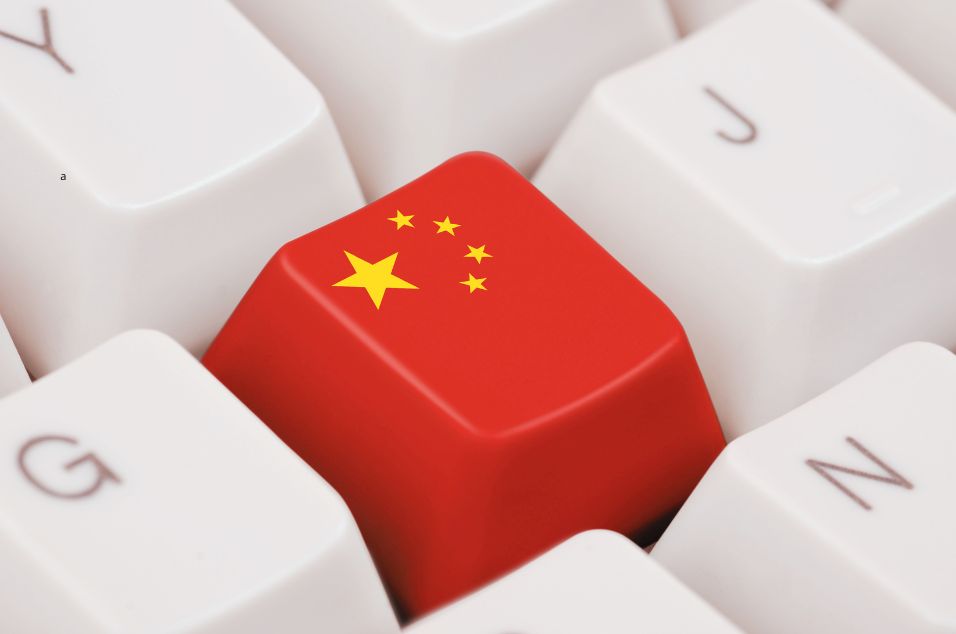
E-commerce has ceased to be a trend to become a global economic engine. And, on the Brazil & Asia route, security, speed and financial inclusion are the pillars of an integration that redefines markets and brings consumers closer to two continents.
In 2024, the country moved about US$ 1.9 trillion in e-commerce, dictating standards of logistics efficiency, digital portfolios and superapps that have become a world reference. This weight is not only numerical: it is cultural and technological, a model of how instant payments and digital integrations can sustain consumption on a large scale.
Brazil, in turn, stands out as a promise and regional leadership. The national e-commerce market surpassed US$ 346 billion in 2024, with the expectation of exceeding US$ 586 billion by 2027. Another study projects almost US$ 1.5 trillion in 2033, consolidating the country as a digital hub of Latin America. The engine of this expansion is Pix, which already accounts for about 40% of online purchases and whose payment initiations jumped from R$ 6240 million in 203 to 20.20 billion in 203 in 203 to 20203.
But where there is scale, risks arise. The integration Brazil & Asia will only be sustainable if the topic of cybersecurity occupies the center of the agenda. Data leaks, fraud and digital attacks grow at the same rate as the volume of transactions. The answer requires more than laws and regulation: you need to invest in secure APIs, end-to-end encryption, real-time monitoring and machine learning for fraud detection.
The LGPD in Brazil and the advancement of Open Finance, which already gathers more than 103 million data sharing authorizations, offer solid foundations for consumers to buy from Asian retailers with confidence.
If before the international card was synonymous with bureaucracy and high tariffs, today Pix and digital wallets offer instant settlement, reducing exchange barriers and increasing conversion. This experience brings the Brazilian consumer closer to the Asian reality, where paying with QR code or via superapp is routine.
About 40 million Brazilians still live in a condition of under-banking, but already use Pix and digital wallets in their daily lives. By allowing these consumers to participate in international trade without relying on credit cards, we have created an unprecedented market, democratizing access to global goods and services. For Asian companies, accepting local payment methods is more than adaptation: it is a strategy to win millions of new customers.
China shows the way to scale and efficiency; brazil demonstrates how regulatory innovation and diversity of payment methods can drive inclusion.The challenge is to keep the bridge solid, combining robust security, transactions in seconds and access for all.
In the integration of Brazil and Asia, we are not just talking about digital transactions.We are talking about trust, a shared economic future and a global market that increasingly happens in real time.


 Português do Brasil
  English
  Español
  Deutsch
  香港中文
香港中文  Русский
  हिन्दी
  Français
  Italiano
  日本語
日本語  العربية
  繁體中文
繁體中文  বাংলা
বাংলা  Български
  Čeština
  Dansk
Dansk  Ελληνικά
  Suomi
Suomi  Hrvatski
  Magyar
  Bahasa Indonesia
  한국어
한국어  Lietuvių kalba
  Nederlands
  Norsk bokmål
  Polski
  Português de Angola
  Português
  Română
  Slovenčina
  Slovenščina
  Svenska
  ไทย
ไทย  Türkçe
  Українська
  Tiếng Việt
  简体中文
简体中文  Afrikaans
  Íslenska
  Luxembourgish
  Bosanski
  Հայերեն
  Shqip
Shqip  Kiswahili
  فارسی
فارسی  Српски језик
  اردو
اردو  Latviešu valoda
  Català
  Eesti
Eesti  Bahasa Melayu
I fully understand the importance of cyber security, but frankly, I think the biggest threat to the Brazil-Asia integration are the hackers who try to steal my coffee for breakfast online. As for the speed of Pix, it's amazing! Now I can buy that Asian pants instantly, without the bureaucracy of the international card or the tedium of waiting for the bank transfer. But be careful, be sure to check the size, fashion has passed quickly in Asia!metal injection moulding