


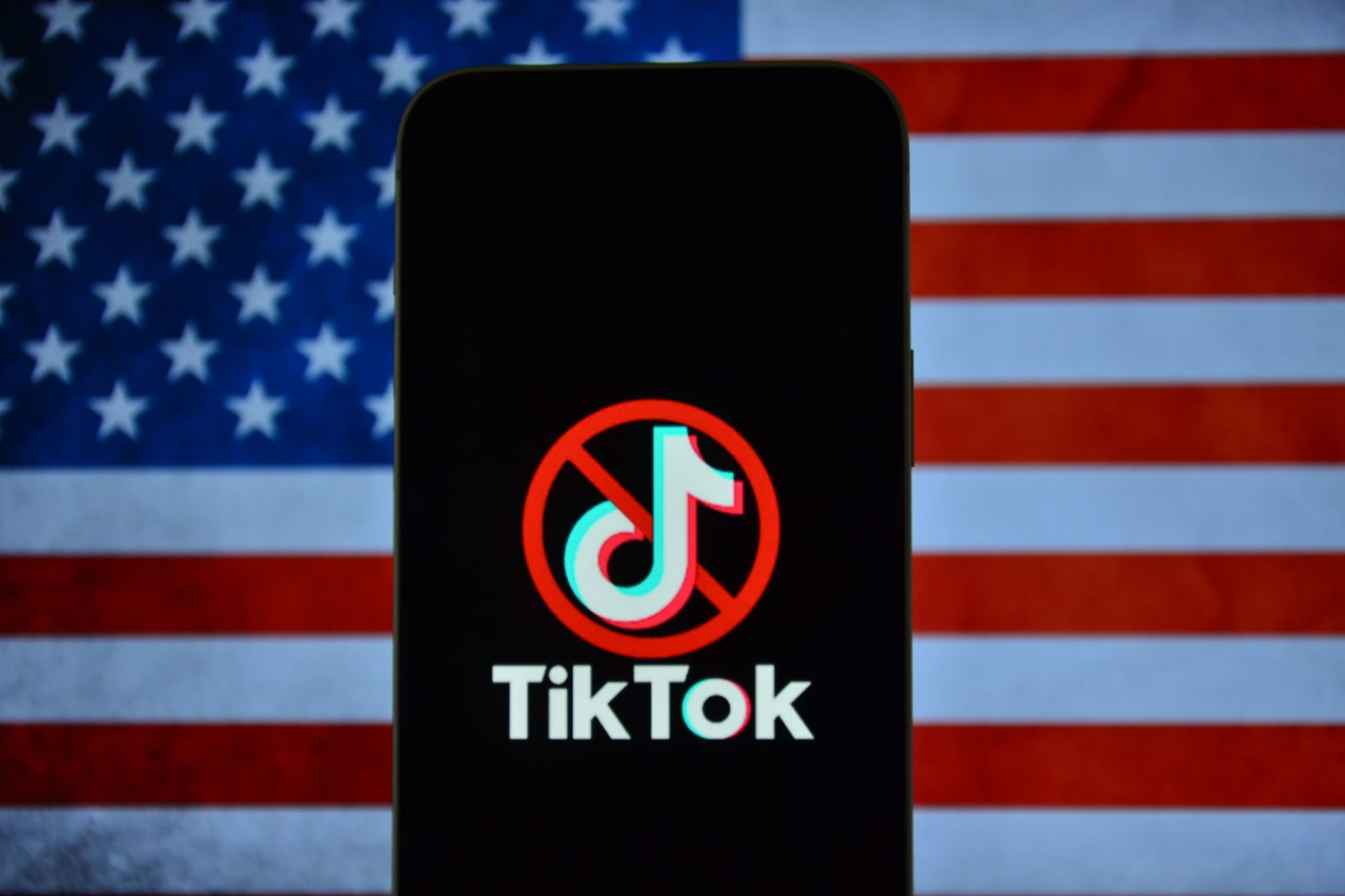
In late January 2026, TikTok users in the United States were required to accept a new privacy policy to continue using the application. The update comes at a time of increased regulatory scrutiny and structural reorganization of the company's operations in the country, which naturally intensified attention around any changes involving personal data.
The provision that drew the most attention concerns the possibility of collecting accurate geolocation data when users activate this permission on their devices. Under the California Privacy Rights Act, precise geolocation data is expressly classified as sensitive personal information, which triggers more stringent obligations of transparency and expanded rights to consumers. Similar classifications appear in legislation such as the Virginia Consumer Data Protection Act. The explicit inclusion of this possibility in a privacy policy therefore carries legal weight that goes beyond mere formality. Geolocation is not just a technical data.
Another section that generated strong reaction mentions citizenship or immigration status among the categories of information that can be processed if it is provided voluntarily by users. In a socially sensitive environment for immigrant communities and amid national debates on migration policy, any reference to this type of data is inevitably delicate. From a legal point of view, however, the wording largely reflects state transparency requirements that oblige companies to disclose the categories of sensitive information they can handle.
The broader conversation goes beyond TikTok. According to Pew Research Center data published in 2024, 81% of Americans say they are concerned about how companies use their personal data, while 71% demonstrate concern about the use of this information by the government. The environment is of structural distrust. In the absence of a comprehensive federal privacy law, digital governance in the United States depends on a mosaic of state legislations, sectoral federal norms and enforcement actions conducted mainly by the Federal Trade Commission, based on its competence to curb unfair or biased practices, despite of inconsistent proposals of a federal standard for the creation of a unified framework of a non-partisan, one-like, one-like, one-like, one-like-like-like, one-like-like-like-like-like-like-like-like-like-like-like-like-like-mindedness-like-like-like-ness-like-like-like-like-like-like-ness-like-like-like-like-like-and-like-like-like-ness-like-like-like-like-like-like-like-ness-like-like-like-like-and-by-by-by-by-by-by-by-by-by-by-by.
The updated policy also highlights the expansion of advertising ecosystems and the potential use of behavioral signals for segmentation.Each expansion in the data flow increases responsibility in relation to security, retention practices and sharing with third parties.In complex digital chains, risk is rarely at a single point of collection, but in subsequent circulation, where contractual governance, supplier supervision and data minimization practices become determinant.
This debate should not be framed as ideological polarization.This is an architecture of informational power.When platforms aggregate behavioral data on a large scale, the central issue goes beyond formal consent and begins to involve proportionality, purpose limitation and accountability, principles that increasingly shape global privacy regulation.
In 2026, privacy in the United States is not just a matter of compliance. It is a strategic variable. Platforms that wish to preserve public trust need to go beyond formal disclosures and invest in effective controls, operational transparency and clear communication. The TikTok episode demonstrates that in a socially sensitive regulatory environment, public perception of data practices can be as relevant as the legality of the treatment itself. In the data economy, opacity is no longer just a regulatory risk and has become a strategic liability.
* Fernando Manfrin is a lawyer and postgraduate in Contract Law and Compliance, specialized in money laundering prevention, regulatory governance and data protection. With extensive experience in the legal and compliance sector of multinational companies, he advises on ethics and corruption investigations, structuring integrity programs, data protection adequacy and development of internal audits and risk matrices.He is recognized for strategies that integrate law, technology and management to strengthen corporate compliance and mitigate legal, reputational and financial risks.

 Português do Brasil
  English
  Español
  Deutsch
  香港中文
香港中文  Русский
  हिन्दी
  Français
  Italiano
  日本語
日本語  العربية
  繁體中文
繁體中文  বাংলা
বাংলা  Български
  Čeština
  Dansk
Dansk  Ελληνικά
  Suomi
Suomi  Hrvatski
  Magyar
  Bahasa Indonesia
  한국어
한국어  Lietuvių kalba
  Nederlands
  Norsk bokmål
  Polski
  Português de Angola
  Português
  Română
  Slovenčina
  Slovenščina
  Svenska
  ไทย
ไทย  Türkçe
  Українська
  Tiếng Việt
  简体中文
简体中文  Afrikaans
  Íslenska
  Luxembourgish
  Bosanski
  Հայերեն
  Shqip
Shqip  Kiswahili
  فارسی
فارسی  Српски језик
  اردو
اردو  Latviešu valoda
  Català
  Eesti
Eesti  Bahasa Melayu
  English (Australia)
  English (Canada)
  English (UK)
  English (New Zealand)
  English (South Africa)
  Cebuano
  Bashkir
  Acehnese
  Bhojpuri
  Français de Belgique
  ಕನ್ನಡ
ಕನ್ನಡ  Deutsch (Schweiz, Du)
  Deutsch (Österreich)
  كوردی
كوردی  עִבְרִית
  नेपाली
  Беларуская мова
  Quechua