

Commencement Site Page 718

The Art of Writing Irresistible Product Descriptions in E-commerce

In the competitive world of e-commerce, a well-crafted product description can be the deciding factor driving sales. More than just listing features and specifications, an effective description should engage, inform and convince the potential buyer.In this article, we will explore best practices for creating product descriptions that not only attract the attention of consumers, but also encourage them to make the purchase.

The Importance of Product Descriptions in E-commerce

Before we dive into writing strategies, it is crucial to understand the fundamental role of product descriptions in e-commerce:

1. Replace Physical Experience: Without the possibility to see, touch or test the product in person, consumers depend on descriptions for essential information.

2. Influence the Purchase Decision: Persuasive descriptions can be the final push a hesitant customer needs to make the purchase.

3. Improve Visibility in Search Engines: SEO-optimized descriptions help products appear in search results, attracting more traffic to the online store.

4. Reduce Return Rates: Clear and honest descriptions help customers make informed choices, reducing the likelihood of returns for unmet expectations.

Key Elements of an Effective Product Description

1. Attractive Title

The product title is the first impression the customer has. It should be clear, concise and draw attention. Include the most relevant keywords and highlight the main benefits or characteristics of the product.

2. Persuasive Language

Use engaging and persuasive language that piques customer desire. Focus on the benefits of the product, not just the features. For example, instead of saying “shirt made of cotton”, say “soft and comfortable shirt that keeps you fresh all day”.

3. Complete and Structured Information

Provide all the essential information about the product in an organized and easy to read way. Use subheadings, bookmarks and short paragraphs to make the description visually appealing and easy to navigate.

4. Technical Specifications

Include relevant technical details such as dimensions, materials, capacity or system requirements.Be accurate and use consistent formatting to make it easier to compare between similar products.

5. Stories and Context

Tell a story around the product or provide a context of use. This helps customers visualize how the product fits into their lives and understand its practical benefits.

6. Visual Media

Complement the description with high-quality images, videos or animated gifs. Visual media can convey details that words cannot and help customers get a clearer sense of the product.

7. Social Proof

Incorporate reviews, testimonials or media mentions into the description.Social proof helps establish trust and credibility by encouraging customers to move on with the purchase.

8. Frequently Asked Questions (FAQ)

Anticipate questions that customers may have and answer them directly in the description. This not only provides valuable information, but also shows that you understand and care about customer needs.

Search Engine Optimization (SEO)

To ensure your products appear in relevant search results, optimize your descriptions for SEO:

1. Research and include relevant keywords

2. Use descriptive titles and subheadings with keywords

3. Provide original and substantial content

4. Use descriptive alternative (alt text) text for images

Customizing for Your Target Audience

Adapt the tone, style, and content of your descriptions to your specific target audience. Consider your demographics, interests, and needs.Use language that resonates with them and directly addresses their concerns and desires.

Testing and Improving

Regularly analyze the performance of your product descriptions. Use sales, conversion rates, and user engagement data to identify what works and what doesn't. Test different approaches and make continuous adjustments to optimize your descriptions over time.

Creating descriptions of products they sell is an art and a science. It requires a combination of persuasive writing skills, audience knowledge, and strategic optimization.By investing time and effort in crafting engaging, informative, and customer-oriented descriptions, you can highlight your products, attract more traffic, and ultimately drive sales in your online store.Remember, each product description is an opportunity to tell a story, establish a connection, and convince the reader that your product is the right choice for them.


The Art of Unboxing: How Custom Packaging Elevates the Customer Experience in E-commerce

In the world of e-commerce, where physical interaction between customer and brand is limited, the unboxing experience has become a crucial moment to create emotional connections and leave a lasting impression.Brands are increasingly investing in personalized packaging and enhanced unboxing experiences to surprise and delight their customers. In this article, we will explore the importance of these strategies and how they are redefining e-commerce.

The Importance of Unboxing Experience

Unboxing, or unpacking, is the moment when the customer opens the package containing their newly purchased product. This moment represents the first physical interaction between the customer and the product, as well as a unique opportunity for brands to create a memorable experience. A well-planned unboxing experience can:

1. Increase the perceived value of the product

2. Strengthen brand identity

3. Generate shareable content on social networks

4. Foster customer loyalty

Elements of an Enhanced Unboxing Experience

1. Outer Packaging Design

The unboxing journey begins with the outer appearance of the packaging.Innovative brands are creating boxes with unique designs, vibrant colors and even special textures to stand out from the moment the package reaches the hands of the customer.

2. Product Protection

In addition to being visually appealing, the packaging must properly protect the product.Customized protective materials, such as company-branded tissue paper or environmentally friendly wraps, can add a special touch.

3. Internal Presentation

The arrangement of items within the package must be carefully planned to create a sense of discovery and surprise. Layers of packaging, hidden compartments or a specific opening sequence can make the process more engaging.

4. Gifts and Samples

Including small gifts, product samples or personalized thank you cards can positively surprise the customer and increase the perceived value of the purchase.

5. Information and Instructions

Including usage guides, product care tips, or information about the brand history can enrich the experience and educate the customer about the product purchased.

6. Sustainability

With the growing environmental concern, many brands are opting for environmentally friendly and recyclable packaging, which not only pleases conscious consumers, but also reinforces the brand's commitment to sustainability.

Personalization: The Key to a Unique Experience

Personalization of packaging goes beyond the simple use of the company logo.Innovative brands are using customer data to create truly individualized experiences.This may include:

1. Customized messages printed on the packaging

2. Thematic packaging based on customer preferences

3. Customization options of the packaging at the time of purchase

4. Seasonal packaging or limited editions

The Impact on E-commerce

Investing in enhanced unboxing experiences and custom packaging can bring a number of benefits to e-commerce businesses:

1. Competition Differentiation: In a saturated market, a unique unboxing experience can be a significant competitive differentiator.

2. Increased Brand Value: A well-designed packaging reinforces the perception of quality and brand care.

3. Organic Marketing: Satisfied customers tend to share their unboxing experiences on social networks, generating organic advertising for the brand.

4. Reduction of Returns: A suitable packaging better protects the product, reducing damage during transport and, consequently, returns.

5. Customer Loyalty: A positive experience increases the chances of repeat purchases and recommendations.

Challenges and Considerations

Despite the benefits, it is important to consider some challenges:

1. Costs: Customized and elaborate packaging can increase operating costs.

2. Logistics: Complex packaging may require more time and resources for assembly and shipping.

3. Balance between Aesthetics and Functionality: It is crucial to find a balance between a visually appealing packaging and its practicality.

4. Sustainability: Brands should consider the environmental impact of their packaging.

Improved unboxing experiences and personalized packaging are becoming increasingly important in the e-commerce landscape. By investing in this area, brands can create memorable moments, strengthen their relationships with customers and excel in a highly competitive market. The key is to create an experience that is not only visually appealing, but also aligned with brand values and customer expectations. As e-commerce continues to evolve, we can expect to see even more innovations in this area, turning every delivery into an opportunity to delight and surprise consumers.

The Rise of Direct-to-Consumer (D2C) and the Disintermediation of Brands in E-commerce

The e-commerce landscape has undergone significant transformations in recent years, with the growing popularity of the direct-to-consumer (D2C) model and the disintermediation of brands. More and more companies are choosing to establish a direct relationship with their customers, eliminating intermediaries and taking full control of the consumer journey. In this article, we will explore the reasons behind this trend and its impacts on the e-commerce landscape.

What is the Direct-to-Consumer (D2C) Model?

The D2C model refers to the strategy in which brands sell their products directly to end consumers, without the need for intermediaries such as traditional retailers or marketplaces.In this model, companies establish their own online sales channels, manage logistics and customer service, and communicate directly with their consumers.

Advantages of the D2C Model for Brands

1. Full Control of Customer Experience: By selling directly to consumers, brands have the opportunity to control every aspect of the customer experience, from site navigation to product delivery and after-sales.

2. Direct Access to Customer Data: The D2C model enables brands to collect valuable data on customer behavior and preferences, enabling more accurate targeting and personalized marketing strategies.

3. Higher Profit Margins: Without middlemen, brands can offer more competitive prices to consumers while maximizing their profit margins.

4. Flexibility and Agility: D2C brands have greater flexibility to test new products, quickly adjust their strategies and respond to market demands in an agile manner.

The Disintermediation of Brands in E-commerce

Disintermediation refers to the elimination of intermediaries in the supply chain, allowing brands to connect directly with end consumers.In the context of e-commerce, this means that brands are choosing to establish their own online sales channels, rather than relying solely on traditional retailers or marketplaces.

Impacts of Disintermediation on E-commerce

1. Greater Competition: Disintermediation allows more brands to enter the e-commerce market, increasing competition and offering consumers a greater variety of options.

2. Direct Customer Relationship: Brands that adopt disintermediation can build stronger and more loyal relationships with their customers, through direct and personalized communication.

3. Innovation and Differentiation: Disintermediation encourages brands to innovate and differentiate themselves by creating unique experiences for consumers and developing unique products.

4. Challenges for Intermediaries: As more brands opt for disintermediation, traditional intermediaries such as retailers and marketplaces face the challenge of reinventing themselves and offering added value to consumers and brands. The growth of the direct-to-consumer (D2C) model and the disintermediation of brands are transforming the e-commerce landscape. By establishing a direct relationship with consumers, brands gain greater control over the customer experience, access to valuable data and higher margins. This trend drives innovation, differentiation and greater competition in the market.

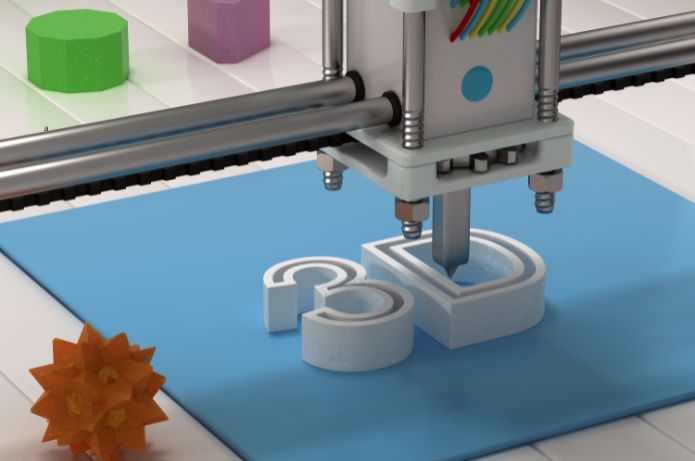
The Revolution of Product Customization in E-commerce: 3D Printing On Demand

In the ever-evolving landscape of e-commerce, product personalization is emerging as a transformative trend that is redefining the way consumers shop online. With the advent of 3D printing technology, on-demand personalization is becoming increasingly affordable, allowing consumers to create unique products that reflect their individual preferences and needs.

The Power of Personalization:

Personalization has long been recognized as a powerful marketing tool, allowing brands to create deeper emotional connections with their customers.In the realm of e-commerce, product customization takes this concept to a new level.By giving consumers the ability to customize products to their exact specifications, brands can offer truly unique experiences that meet the unique desires of each individual.Whether a pair of sneakers with a personalized design or a jewel with a personal touch, personalized products allow self-expression and promote a sense of ownership and connection with the brand.

3D Printing On Demand:

3D printing on demand is at the heart of the product customization revolution in e-commerce. This innovative technology enables the creation of customized products quickly, efficiently and cost-effectively.Unlike traditional manufacturing methods, which often require expensive molds and production configurations, 3D printing enables the creation of individual products on demand. This means that brands can offer a high level of customization without incurring the costs and risks associated with maintaining large stocks of customized products.

Simplifying the Customization Process:

To fully capitalize on the potential of product personalization, e-commerce brands are investing in tools and platforms that simplify the process for consumers.Intuitive personalization interfaces, interactive 3D viewers, and guided personalization options are making it easier than ever for customers to create products that meet their specific preferences.By eliminating complexity and making personalization accessible to everyone, brands can attract a wider audience and encourage greater customer engagement.

Sustainable Production and Ethics:

Customizing products through 3D on-demand printing also offers significant benefits in terms of sustainability and ethical production practices.By creating products only when requested, brands can reduce waste associated with overproduction and unsold inventories.In addition, the decentralized nature of 3D printing allows production to occur closer to the end consumer, reducing the carbon footprint associated with transportation.As consumers become increasingly aware of the environmental and social impact of their purchasing decisions, on-demand personalization offers an attractive alternative to traditional mass production models.

Collaborations and Co-creation:

Product personalization in e-commerce is also opening up new opportunities for collaborations and co-creation between brands and consumers. By inviting customers to participate in the design process, brands can harness their creativity and insights to create truly original products. These collaborations not only result in highly personalized products, but also foster a sense of community and loyalty among customers.By becoming co-creators, consumers feel more invested in the brand and are more likely to become lifelong ambassadors and advocates.

The Future of Product Customization:

Looking ahead, product personalization in e-commerce is poised for explosive growth. As 3D printing technologies continue to advance and become more affordable, more and more brands are expected to embrace on-demand personalization as a competitive differentiator.In addition, the integration of artificial intelligence (AI) and machine learning promises to take personalization to new heights, enabling hyper-personalized recommendations and AI-assisted design experiences.

Product personalization, driven by 3D printing on demand, is transforming the e-commerce landscape. By empowering consumers to create products that are truly their own, brands can forge deep emotional connections, encourage customer loyalty and differentiate themselves in an increasingly competitive marketplace.As technology continues to evolve and consumers embrace the promise of personalization, the future of e-commerce seems to be one where every product is as unique as the individual who buys it. Whether it is a unique fashion accessory or a personalized home appliance, product personalization is set to reshape the way we shop online, one 3D print at a time.

Pop-Up Virtual Stores: The New Frontier of Temporary Shopping Experiences

In the fast-paced world of digital retail, virtual pop-up stores are emerging as an exciting trend that is redefining temporary shopping experiences.These limited-length online stores offer consumers a unique opportunity to discover new products, engage with their favorite brands, and enjoy an immersive shopping experience, all from the comfort of their digital devices.This article explores the concept of virtual pop-up stores and how they are transforming the e-commerce landscape.

What Are Virtual Pop-Up Stores?

A virtual pop-up store is a short-lived online store that operates for a specific period, usually ranging from a few days to a few weeks. These stores are designed to create a sense of urgency and exclusivity, offering consumers access to unique products, limited editions or special brand experiences.Unlike physical pop-up stores, which are limited by geographic location, virtual pop-up stores can reach a global audience, 24 hours a day, 7 days a week.

Driving Brand Engagement:

Virtual pop-up stores provide a powerful tool for brands to connect with their customers in new and exciting ways. By creating a sense of urgency and scarcity, these stores encourage consumers to act quickly and make impulse purchases. Brands can use virtual pop-ups to launch new products, test innovative concepts or collaborate with partners to create unique brand experiences.Through engaging design, interactive content and unique functionality, virtual pop-up stores can generate buzz, drive engagement and cultivate a sense of community around a brand.

Customizing the Customer Journey:

One of the key benefits of virtual pop-up stores is the ability to personalize the customer journey. By leveraging consumer data and insights, brands can create highly targeted and tailored experiences that resonate with their target audience.This may involve offering personalized product recommendations, unique content based on individual preferences, or early access to releases for loyal customers.By making each visitor feel valued and understood, virtual pop-up stores can cultivate deep and lasting emotional connections between brands and consumers.

Integrating Immersive Technologies:

Virtual pop-up stores offer a perfect display to showcase immersive technologies like augmented reality (AR), virtual reality (VR), and 360° video. By incorporating these elements, brands can transport consumers to immersive environments, allowing them to experience products in interactive and multisensory ways.For example, a fashion pop-up store can use AR to allow customers to virtually experiment with“ items, while a food brand can use VR to take consumers on an immersive tour of a farm or factory. By merging the digital with the physical, these technologies can create memorable experiences that leave a lasting impression.

Collaborations and Partnerships:

Virtual pop-up stores also offer exciting opportunities for collaborations and partnerships. Brands can team up with influencers, artists or other companies to create unique shopping experiences that appeal to diverse audiences. These collaborations can take many forms, from co-designed product collections to virtual events and brand activations.By leveraging the fan base and creative expertise of their partners, brands can broaden their reach, generate buzz and attract new customers through collaborative virtual pop-up stores.

Challenges and Considerations:

While virtual pop-up stores offer many benefits, there are also challenges to consider. Ensuring a seamless user experience, managing traffic spikes, and providing responsive customer support are essential to success. Additionally, brands must strike the right balance between creating a sense of exclusivity and making their pop-ups accessible to a broad audience. Finally, it is crucial that virtual pop-up stores align with brand identity and overall values to maintain consumer authenticity and trust.

Conclusion:

Virtual pop-up stores are opening up a new world of possibilities for temporary shopping experiences. By harnessing the power of digital engagement, personalization and immersive technologies, these ephemeral stores offer brands a powerful platform for telling captivating stories, cultivating emotional connections and driving sales. As the retail landscape continues to evolve, virtual pop-up stores are expected to play an increasingly vital role in brands' e-commerce strategies, offering consumers unique and unforgettable experiences at every click.Whether it is a 24-hour window for a coveted temporary collection or an odyssey of a week of product discovery, virtual pop-upors experiences are the new frontier of virtual shopping.

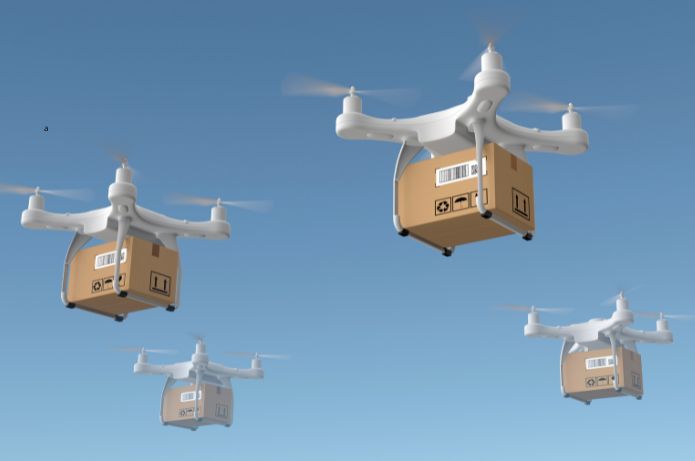
Automated Deliveries: How Autonomous Vehicles and Drones Are Revolutionizing E-commerce

The exponential growth of e-commerce in recent years has driven the search for innovative and efficient solutions to meet the growing demand for fast and convenient deliveries.In this context, automated deliveries, made through autonomous vehicles and drones, are emerging as a promising trend that promises to revolutionize e-commerce logistics.

Autonomous Vehicles: The Future of Urban Delivery

Autonomous vehicles, also known as driverless vehicles, are one of the main bets for the future of urban deliveries.Fitted with advanced sensor, camera and artificial intelligence technologies, these vehicles are able to autonomously navigate the streets, avoiding obstacles and adapting to real-time traffic conditions.

Benefits of Autonomous Vehicles:

1. Efficiency: Autonomous vehicles can operate 24 hours a day, 7 days a week, without the need for rest breaks, increasing the efficiency of deliveries.

2. Cost Reduction: Eliminating the need for human drivers can lead to a significant reduction in the operational costs of logistics companies.

3. Safety: With the elimination of human error, autonomous vehicles have the potential to reduce accidents and increase road safety.

4. Less congestion: Optimizing routes and coordinating autonomous vehicles can contribute to reducing congestion in cities.

Drones: Delivering Speed and Convenience

Another technology that is gaining prominence in automated deliveries are drones.These unmanned, remotely controlled aircraft are capable of transporting light packages directly to the delivery location, offering speed and convenience to customers.

Benefits of Drones:

1. Fast Deliveries: Drones can cover short distances in a significantly shorter time than traditional vehicles, enabling ultra-fast deliveries.

2. Remote Area Reach: Drones can access hard-to-reach areas such as rural areas or isolated locations, extending the range of deliveries.

3. Traffic Reduction: By utilizing airspace, drones avoid congestion of land routes, contributing to logistics efficiency.

4. Lower Carbon Footprint: Electric drones emit less pollutants than traditional delivery vehicles, contributing to environmental sustainability.

Challenges and Considerations

Despite the promising benefits, the implementation of automated deliveries with autonomous vehicles and drones still faces some challenges:

1. Regulation: It is necessary to establish a clear and comprehensive regulatory framework to ensure the safety and responsible operation of these technologies.

2. Infrastructure: Large-scale adoption of autonomous vehicles and drones requires investments in appropriate infrastructure such as charging stations and landing areas.

3. Public Acceptance: It is important to address societal concerns regarding privacy, security and impact on the labor market.

Automated deliveries, through autonomous vehicles and drones, represent a significant step towards the future of logistics in e-commerce. These technologies promise to revolutionize the way products are delivered to consumers, offering unprecedented efficiency, speed and convenience.However, it is critical to address regulatory, infrastructure and public acceptance challenges to ensure a successful and sustainable adoption of these innovative solutions.As e-commerce continues to grow, automated deliveries will certainly play an increasingly important role in how we shop online.

What is Livestream Shopping?

Definition: Livestream shopping is a growing trend in e-commerce that combines the online shopping experience with live broadcasts. In this modality, retailers or influencers perform real-time broadcasts, usually through social media platforms or specialized websites, to present and demonstrate products to viewers.

Explanation: During a livestream shopping session, the presenter displays the products, highlights their features, benefits and special offers. Viewers can interact in real time through comments and questions, creating an engaging and interactive experience.In addition, the products presented are usually available for immediate purchase, with direct links to the checkout.

Livestream shopping offers several advantages for both retailers and consumers. For retailers, this strategy allows:

1. Increase engagement: Live streams create a more authentic and personal connection with customers, increasing engagement and brand loyalty.

2. Boost sales: The ability to buy products directly during live streaming can lead to an increase in sales and conversions.

3. Product Showcasing: Retailers can present their products in a more detailed and interactive way, highlighting their unique differentials and attributes.

For consumers, livestream shopping provides:

1. Immersive experience: Viewers can see products in action, ask questions in real time and receive immediate answers, creating a more engaging shopping experience.

2. Authentic content: Live streams are usually conducted by real people, offering genuine opinions and recommendations about the products.

3. Convenience: Consumers can watch broadcasts and make purchases from anywhere, using their mobile devices or computers.

Livestream shopping has proven particularly popular in countries like China, where platforms like Taobao Live and WeChat have driven this trend.However, livestream shopping is also gaining traction in other markets, with more and more retailers and brands adopting this strategy to connect with their customers in an innovative way.

Examples of popular platforms for livestream shopping include:

amazon Live

facebook Live Shopping

instagram Live Shopping

TikTok Shop

T. T. Shopping

Livestream shopping represents a natural evolution of e-commerce, combining the convenience of online shopping with the interactivity and engagement of real-time experiences.As more retailers embrace this strategy, livestream shopping is likely to become an increasingly important part of the e-commerce landscape.

BOPIS: The Strategy That Is Transforming Retail

In the retail world, the search for convenience and efficiency has driven the adoption of new strategies aimed at improving the customer experience. One of these strategies that has been gaining prominence in recent years is BOPIS (Buy Online, Pick-up In Store), that is, buying online and withdrawing in the physical store. This approach has proven to be an advantageous solution for both retailers and consumers.

What is BOPIS?

BOPIS is a shopping model that allows customers to purchase products online and remove them in a physical store of their choice. This strategy combines the convenience of online shopping with the convenience of getting the product immediately, without having to wait for delivery.

Benefits for Retailers

Adopting BOPIS offers a number of benefits for retailers:

1. Increased sales: BOPIS encourages customers to visit physical stores, which can lead to additional impulse purchases.

2. Reduced shipping costs: By allowing customers to pick up their in-store purchases, retailers save on shipping and logistics costs.

3. Better inventory management: BOPIS helps optimize inventory management by allowing retailers to utilize inventory from physical stores to fulfill online orders.

4. Strengthening brand: The BOPIS offering demonstrates the retailer's concern to offer convenience and flexibility to customers, strengthening the brand image.

Benefits for Consumers

Consumers also benefit from BOPIS in a number of ways:

1. Convenience: Customers can make their online purchases and pick up the products in the store when it is more convenient for them.

2. Time saving: BOPIS eliminates the need to wait for delivery, allowing customers to get their products quickly and efficiently.

3. Saving on shipping costs: By withdrawing purchases in store, consumers avoid paying shipping fees.

4. Greater confidence: BOPIS gives customers the peace of mind that their products will be available in-store, reducing the uncertainty associated with online shopping.

Challenges and Considerations

Despite the benefits, implementing BOPIS also presents some challenges that retailers should consider:

1. Systems integration: It is necessary to integrate e-commerce systems with the inventory management of physical stores to ensure accurate information about the availability of products.

2. Staff training: Physical store staff should be trained to handle BOPIS orders efficiently and provide quality customer service.

3. Dedicated space: Physical stores need to have a dedicated space to store and organize BOPIS orders, ensuring a quick and hassle-free pickup.

BOPIS has emerged as a powerful strategy in retail, offering significant benefits to both retailers and consumers. By adopting this approach, businesses can increase their sales, optimize inventory management and strengthen their brands, while customers enjoy convenience, time savings and increased confidence in their purchases.However, it is critical that retailers are prepared to address the challenges associated with implementing BOPIS, ensuring a positive experience for their customers.

The Growth of Social Selling Through Individual Sales Representatives

In the digital age, social media has become a powerful tool to drive sales and engage customers. Social selling, or the practice of using social media platforms to identify, connect and cultivate relationships with potential customers, has gained prominence in recent years. A growing trend in this context is the performance of individual sales representatives, who are transforming the way companies relate to their customers.

The Rise of Individual Sales Representatives

Individual sales reps, also known as sales influencers, are professionals who use their own social networks to promote products and services. They build a solid online presence, establish authentic relationships with their followers and share knowledge and experiences related to the products they represent.

These individual sales reps have excelled due to their ability to humanize brands and create genuine connections with consumers. By sharing personal stories, tips and insights, they build trust and credibility, becoming true ambassadors for the brands they represent.

Benefits of Social Selling Through Individual Representatives

Social selling through individual representatives offers a number of benefits for both businesses and consumers:

1. Extended reach: Individual sales reps have their own networks of engaged followers, enabling brands to reach a wider and more diverse audience.

2. Trust and authenticity: Consumers tend to rely more on recommendations from real people than traditional ads. Individual representatives, by sharing their genuine experiences, build trust and credibility.

3. Personalized relationship: Individual sales reps can offer personalized service by answering questions, providing additional information, and assisting customers in their purchase journeys.

4. Increased sales: By establishing authentic relationships and providing value to consumers, individual representatives can drive sales in an organic and sustainable way.

Challenges and Considerations

Despite the benefits, social selling through individual representatives also presents some challenges that must be considered:

1. Brand alignment: It is essential that individual sales representatives are aligned with the brand values, messages and guidelines they represent, to avoid inconsistencies and reputational damage.

2. Training and support: Companies must provide appropriate training to individual representatives, empowering them to utilize social media effectively and deal with challenging situations.

3. Metrics and monitoring: It is important to establish clear metrics to evaluate the performance of individual representatives and regularly monitor their activities on social networks.

Social selling through individual sales reps is transforming the way businesses connect with their customers.By harnessing the power of social media and the authenticity of individual reps, brands can extend their reach, establish meaningful relationships and drive sales organically.

The M-Commerce Boom in Emerging Markets: A Retail Revolution

In recent years, m-commerce (mobile commerce) has experienced explosive growth in emerging markets around the world. With the increasing penetration of smartphones and the expansion of mobile networks, billions of consumers in developing countries now have access to online shopping in the palm of their hands.

The Rise of Smartphones:

One of the main drivers of m-commerce growth in emerging markets is the rapid adoption of smartphones.In many of these countries, mobile devices have become the main form of internet access, surpassing desktop computers and laptops.As smartphone prices decline and their functionality increases, more and more consumers are enjoying the convenience of shopping online through their mobile devices.

Leapfrogging for Mobile:

Many emerging markets are going through a process of technological “leapfrogging”, skipping stages in development and directly adopting the latest technologies.This means that instead of following the traditional path from physical retail to desktop-based e-commerce and then to mobile, many consumers are going directly to m-commerce as their first online shopping experience.

Innovations in Mobile Payments:

Another crucial factor for the m-commerce boom in emerging markets is innovation in mobile payment systems.In countries where a large part of the population does not have access to traditional banking services, mobile money solutions and digital wallets are filling the gap. These platforms allow consumers to transact securely and conveniently using their mobile phones, eliminating the need for credit cards or bank accounts.

The Power of Social Media:

Social media plays a significant role in driving m-commerce in emerging markets. Platforms such as Facebook, Instagram and WhatsApp have become vital channels for small businesses to reach customers and facilitate transactions. Social commerce, where consumers discover and buy products directly through social networks, is flourishing in these markets, leveraging the trust and engagement built within online communities.

Adapting to Local Context:

To succeed in m-commerce in emerging markets, businesses need to adapt their strategies to the local context.This includes offering relevant payment options, optimizing prevalent mobile websites and apps, and adapting product selection and marketing messages to local cultural preferences. Understanding the nuances of each market is crucial to building trust and loyalty with consumers.

Challenges and Opportunities:

Despite the huge potential, m-commerce in emerging markets also faces challenges. Issues such as limited telecommunications infrastructure, security concerns and complex delivery logistics can be obstacles.However, with careful planning and strategic partnerships, companies can overcome these challenges and take advantage of the vast opportunities presented by these fast-growing markets.

M-commerce is transforming the retail landscape in emerging markets, bringing access, convenience and economic opportunities to millions of consumers. As mobile technology continues to evolve and penetrate these markets more, the growth potential of m-commerce is truly extraordinary.For companies willing to invest in understanding the unique needs and preferences of these consumers, m-commerce in emerging markets represents an exciting frontier full of possibilities.