


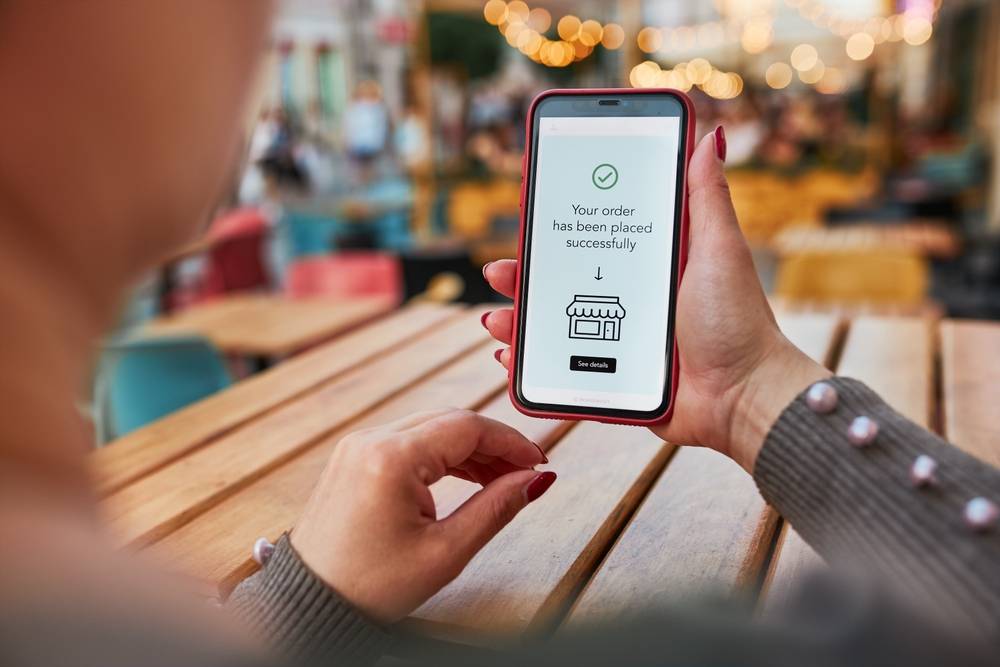
The online shopping segment is one of the most efficient in recent years. To give you an idea, in 2024 Brazilian e-commerce generated more than R$204 billion, representing an expansion of 10.5% compared to 2023. This data comes from ABComm, which also indicates that by 2025 the expectation is that revenue will reach R$224.7 billion, with an increase of 10%.
With technological advancements, more complex shopping journeys, and increasingly demanding consumers, selling online goes far beyond simply delivering services and products. This is where requirements such as data, automation, personalization, and integrated channels come into play. Today, these are the essential pillars for anyone who wants not only to survive but to thrive and excel in e-commerce.

To help you, dear reader, understand a little better, I will explain these points:
- Data: Data can be considered the new fuel for online retail. That's why companies that invest in analytics are able to better understand their customer profiles, predict demand, optimize inventory, and create more effective campaigns. It is precisely through data that managers are able to make faster and more efficient decisions, especially in an increasingly fast-paced world.
- Automation: I'll start by emphasizing that automation doesn't mean 'coldness' or detachment. When well implemented, automation goes in the opposite direction. Through it, managers can free up teams to focus on strategies and creativity, while robots take care of the operational aspects;
- Hyper-personalization: as I mentioned at the beginning of this text, consumers are becoming increasingly demanding, and this has generated a high demand for increasingly personalized services, products, and campaigns. Therefore, more than a matter of technology, personalization is a strategic choice, because it is through it that brands can generate connection and campaigns with their target audience, and increase engagement with their brand/company and, consequently, the number of loyal customers;
- Multichannel: You are impacted by a TV campaign, start researching a little more online, check the brand's reputation on different platforms, talk to other customers via WhatsApp, and finally go to the physical store to buy. This is just one example of how the buying journey is no longer linear. Therefore, it is extremely important to interact with and keep the customer engaged.
Finally, it's a fact that online retail has undergone many transformations, and believe me, we'll see even more incredible innovations in the coming years. The general goal is to attract, engage, and transform customers into fans and brand ambassadors. Think about it!