


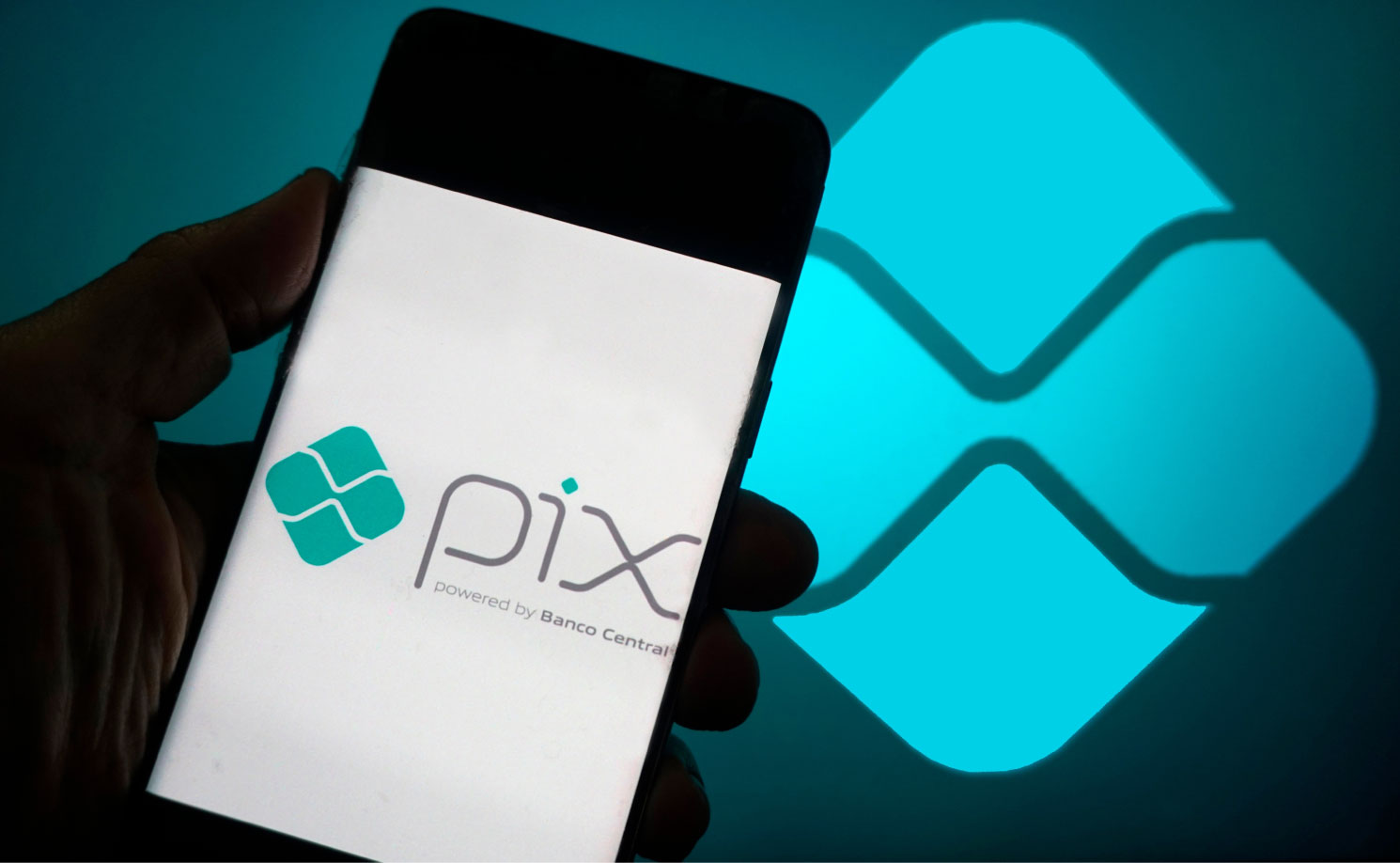
Seven out of ten Brazilians are already planning financially for Black Friday 2025, and 60% intend to spend more than R$500, according to a survey by LWSA, a group that brings together the brands Tray, Bling, Octa Desk and Vindi. The study points out that the consumer arrives at the date more prepared and connected, with Pix and Embedded Finance, a model that integrates financial services with digital platforms gaining prominence in the purchase journey.
According to the Central Bank, Pix already represents more than 40% of the country's financial transactions, consolidating itself as the main means of instant payment among Brazilians. The Pix modality in installments, expanding since 2024, begins to rival the credit card by offering immediate approval and greater predictability of spending, decisive factors in consumer behavior during the promotional period.
For Luis Molla Veloso, a specialist in Embedded Finance and integration of financial services in digital journeys, the change reflects a structural transformation in retail.“The consumer wants to complete the purchase within the digital environment itself, without having to migrate between platforms. Embedded Finance allows retail to offer credit, installment and integrated rewards, creating a fluid and reliable experience. This increases conversion and loyalty to the” client, says Veloso.
Market projections indicate exponential growth for Embedded Finance, with estimates that global transaction volume could exceed US$7 trillion by 2030, according to sources such as Accenture, driven by companies that integrate payment, credit and insurance solutions into their digital ecosystems.In Brazil, the advancement of Open Finance broadens the scope of this transformation by allowing users to securely share data to receive personalized offers of financial products.
Veloso explains that Black Friday has become a natural test field for these innovations.“During the date, retail experiences technologies that combine experience and efficiency. Pix Automatic, digital wallets and integrated banking APIs allow you to approve credit and release the product in seconds. The differential is no longer just the discount, but the convenience and security of a frictionless purchase”, says the expert.
According to a study by CNDL/SPC Brazil, they reveal an even more emphatic scenario about the behavior of the digital consumer in Brazil. The dominance of mobile commerce is clear, with 87% of consumers using their smartphones to make online purchases.
Sensitivity to delivery cost is the main obstacle in the buying journey.A survey by Octa Desk in partnership with Opinion Box points out that for 67% of consumers, the offer of free delivery is decisive when finalizing the order.
This selectivity reinforces that the consumer is more aware and aware of the cost-benefit of the purchase. According to Veloso, the scenario also brings opportunities for small and medium-sized companies. “O Embedded Finance democratizes access to financial tools previously restricted to large retailers. With integrated data and less dependence on intermediaries, SMEs gain cash predictability and the ability to offer competitive conditions, which tends to increase their participation in year-end sales”, he notes.
With still high interest rates and more restricted credit, the use of instant payments and embedded financing models should reduce barriers and stimulate planned consumption. For the specialist, the trend is to consolidate the so-called invisible“pay”. “A Black Friday 2025 marks a turn in Brazilian purchasing behavior.Payment and consumption merge into a unique, simple and safe experience.It is a change that goes beyond the date and tends to expand throughout the 2026” business calendar, Veloso concludes

 Português do Brasil
  English
  Español
  Deutsch
  香港中文
香港中文  Русский
  हिन्दी
  Français
  Italiano
  日本語
日本語  العربية
  繁體中文
繁體中文  বাংলা
বাংলা  Български
  Čeština
  Dansk
Dansk  Ελληνικά
  Suomi
Suomi  Hrvatski
  Magyar
  Bahasa Indonesia
  한국어
한국어  Lietuvių kalba
  Nederlands
  Norsk bokmål
  Polski
  Português de Angola
  Português
  Română
  Slovenčina
  Slovenščina
  Svenska
  ไทย
ไทย  Türkçe
  Українська
  Tiếng Việt
  简体中文
简体中文  Afrikaans
  Íslenska
  Luxembourgish
  Bosanski
  Հայերեն
  Shqip
Shqip  Kiswahili
  فارسی
فارسی  Српски језик
  اردو
اردو  Latviešu valoda
  Català
  Eesti
Eesti  Bahasa Melayu
  English (Australia)
  English (Canada)
  English (UK)
  English (New Zealand)
  English (South Africa)
  Cebuano
  Bashkir
  Acehnese
  Bhojpuri
  Français de Belgique
  ಕನ್ನಡ
ಕನ್ನಡ  Deutsch (Schweiz, Du)
  Deutsch (Österreich)
  كوردی
كوردی  עִבְרִית
  नेपाली
  Беларуская мова
  Quechua