

Descrição
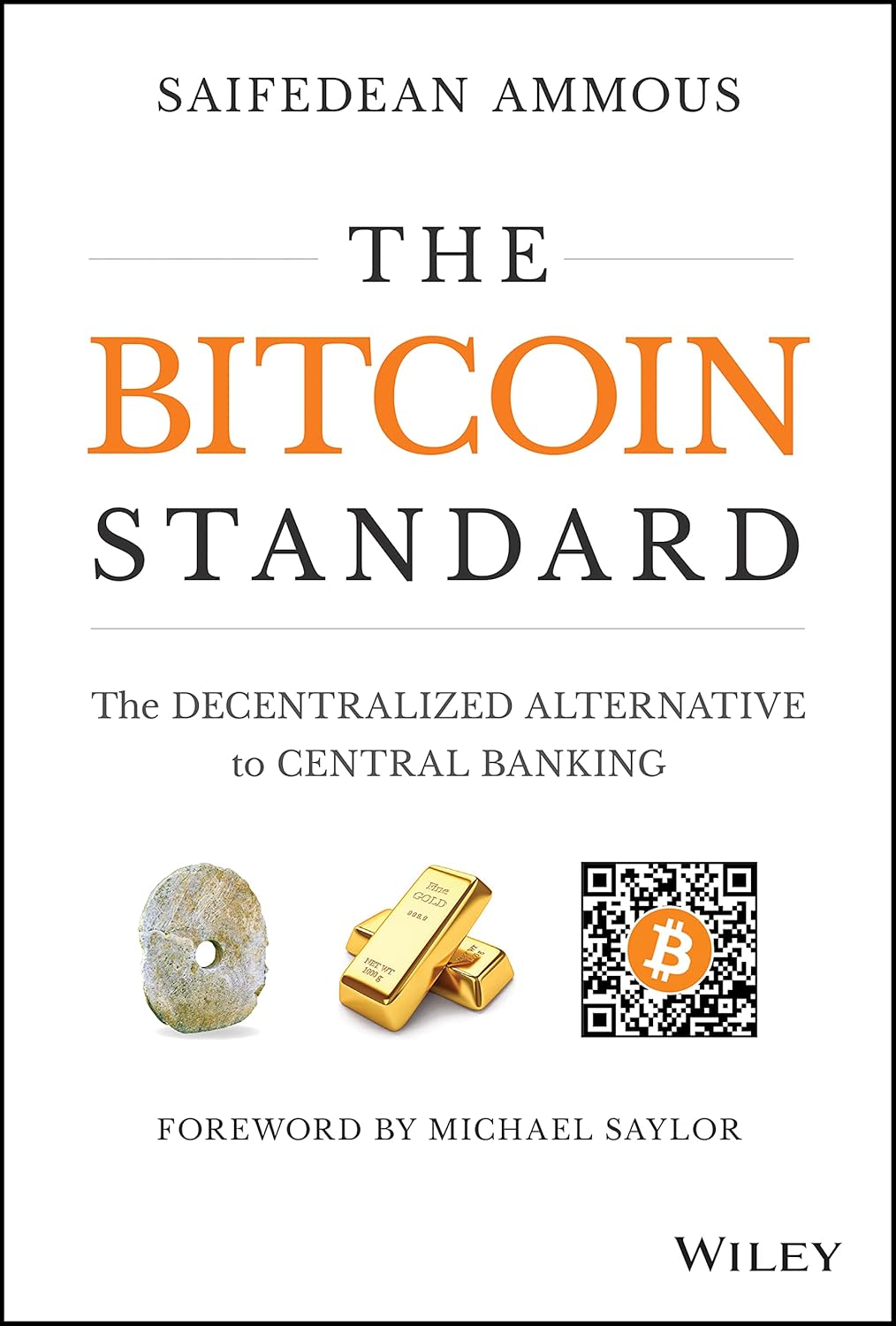
The Bitcoin Standard: The Decentralized Alternative to Central Banking
A clear, comprehensive exploration of Bitcoin and its place in monetary history.
When a pseudonymous developer published a proposal for “a new electronic cash system that’s fully peer-to-peer, with no trusted third party” in 2008, it went largely unnoticed. A decade later, that autonomous, decentralized software had become a resilient, global alternative to modern central banking. The Bitcoin Standard traces the historical roots of money, explains why Bitcoin has grown so quickly, and examines the economic, political, and social consequences of a world with decentralized money.
What this book covers
- A sweep through monetary history: early media of exchange (from shells and stones to metals and coins), the rise and fall of the gold standard, and the modern era of government debt.
- A discussion of what gives a technology monetary value, why most monetary systems lose that role, and what “sound money” actually looks like.
- An accessible, functional explanation of how Bitcoin works: a distributed, decentralized protocol that turns electricity and computing power into an indisputable ledger for recording value transfers.
- An analysis of Bitcoin’s economic properties — limited supply, predictable issuance, censorship resistance — and why these make it a plausible digital form of gold and a new vehicle for final settlement of large transactions.
Key themes and implications
- Money is fundamentally about transferring value across time and space. Technologies that perform that function well enable long-term planning, capital accumulation, trade, and cultural achievement.
- Societies with sound monetary regimes tend to produce their greatest accomplishments; monetary collapse often accompanies civilizational decline.
- Bitcoin’s automated, transparent monetary policy and global, permissionless settlement layer shift financial sovereignty away from states toward individuals.
- If widely adopted as a store of value and settlement network, Bitcoin could extricate money from political control and border constraints, reshaping incentives for savings, investment, trade, and governance.
What the final chapter answers

The book also addresses frequently raised concerns and objections, including:
- Is Bitcoin mining a waste of energy?
- Is Bitcoin primarily used by criminals?
- Who actually controls Bitcoin, and can they change it at will?
- Can Bitcoin be destroyed or neutralized?
- What about the thousands of Bitcoin alternatives and proposed uses of “blockchain” technology?
Why read it
Saifedean Ammous combines historical perspective with technological clarity to present a coherent case for voluntary, free-market money. The Bitcoin Standard is an essential primer for anyone seeking to understand Bitcoin’s origins, mechanics, strengths, and the wide-ranging consequences of a decentralized monetary system.

Avaliações
Não há avaliações ainda.