

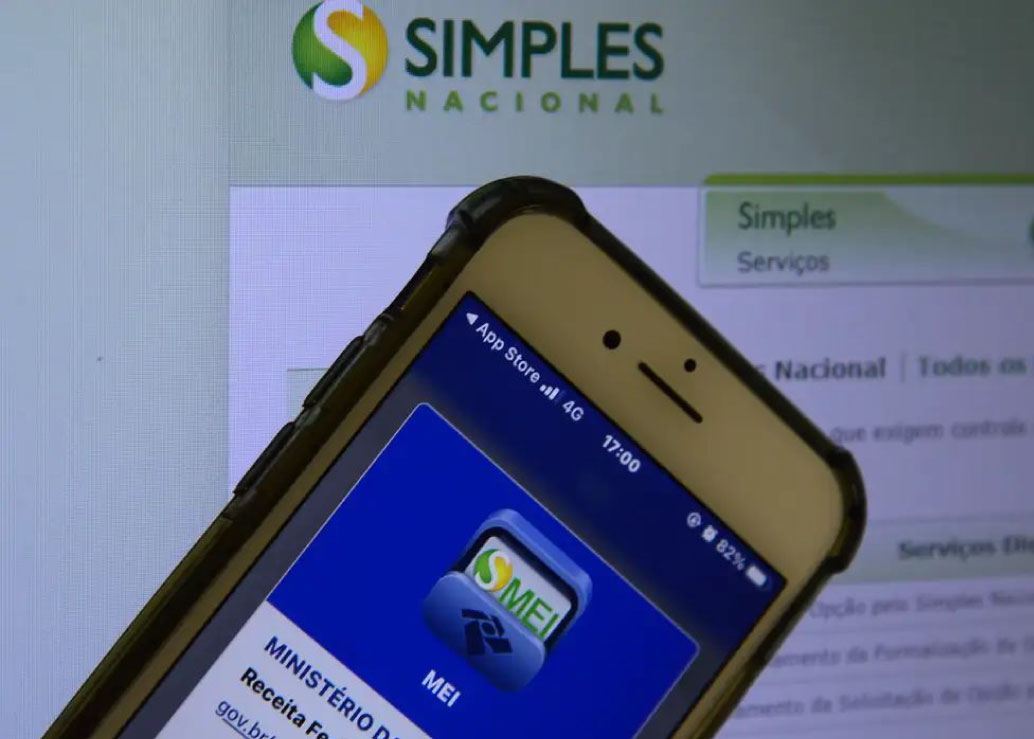
Individual Microentrepreneurs (MEIs) and Micro and Small Enterprises (MPEs) have until January 31st to settle their outstanding debts with the Federal Revenue Service and avoid exclusion from the Simples Nacional (Simplified National Tax Regime). This special regime offers a reduced tax burden and is one of the main tax payment methods for small entrepreneurs in Brazil.
According to Fernando José, accounting leader at Agilize, "those who do not regularize their situation by January 31st will only be able to return to either the MEI (Individual Microentrepreneur) or the Simples Nacional (Simplified National Tax Regime) in January 2026. Furthermore, the other option for those who cannot regularize within the deadline is to resolve the outstanding issues, cancel their CNPJ (Brazilian tax ID), and open a new company under the Simples Nacional.".

Consequences of exclusion from the Simples Nacional (Simplified National Tax Regime)
For MEIs (Individual Microentrepreneurs), exclusion means ceasing to pay the fixed monthly amount and instead paying taxes based on revenue, which can raise the tax burden to an average of between 13.33% and 16.33%. "In short, the main disadvantage is the increased tax burden," emphasizes Fernando José. Furthermore, the entrepreneur also faces more tax obligations and may experience difficulties in day-to-day operations.
For micro and small enterprises (MSEs), the impact is equally significant. "When excluded, companies move to the normal tax regime, which means paying more taxes compared to the Simples Nacional. In addition, it also increases the number of obligations they need to fulfill with the tax authorities," he explains.
An option for those who miss the deadline
Entrepreneurs who are unable to settle their outstanding debts by the deadline have the option of canceling their CNPJ (Brazilian tax ID) and opening a new registration under the Simples Nacional (Brazilian simplified tax regime). "However, it is necessary to settle the debts before canceling the CNPJ, since the debts may be linked to the entrepreneur's CPF (Brazilian individual taxpayer ID)," warns Fernando José.
Issuing invoices during the exclusion period
Even companies that negotiate debts and settle outstanding registration issues may face difficulties during the exclusion period. However, Fernando José clarifies that the issuance of invoices will not be interrupted: “Invoice issuance continues normally. Ideally, you should have a partner accounting firm to control taxation during the exclusion period, as close collaboration is necessary to avoid unnecessary tax payments.”.
For those who want to identify any outstanding issues, it is necessary to access the Simples Nacional Portal and check the registration status in "Consulta Optantes" (Taxpayer Inquiry), entering the CNPJ (Brazilian taxpayer identification number).