


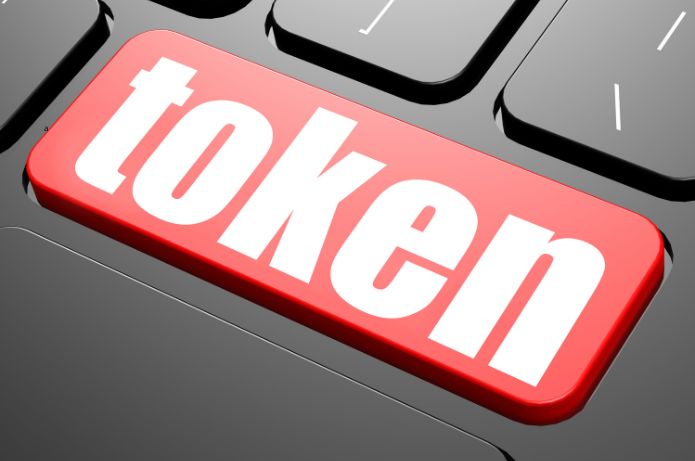
Nuclea, renowned for its infrastructure solutions in digital transactions and data intelligence in Brazil, has joined forces with AmFi, a distribution platform for tokenized financial products, to launch an innovative duplicate tokenization project.
Blockchain technology, applied by the Nuclea, allows duplicates to be traded in a tokenized environment, offering greater security and accessibility. Before this innovation, records were made exclusively in the Web2 environment, which, although modern, does not offer facilities such as programmability, self-executing automation and instant reconciliation.
Within the Corea blockchain, which operates on a permissioned and highly private DLT (Distributed Ledger Technology) network, duplicates are registered and tokenized with extreme security.“A Corea Chain not only tokenizes the duplicate, but also maintains the entire history of the debtor, the paths and changes that have occurred. It is fully ballastrable, secure, informative and accessible, ensuring the uniqueness of the asset. This ensures that the investor is acquiring a traded asset a single time”, explains Rodrigo Furiato, Vice President of Business at Nuclea.
The partnership allows AmFi to offer duplicates more efficiently, allowing investors to acquire a portion or all of the asset, with yields of up to 20% per year, previously restricted to large institutional investors.
“Transparency and security are the core values of AmFi. A duplicate tokenized and registered by a world-class infrastructure and reference as the Core brings an incredible layer of protection to our thousands of investors. It is a crucial step for R$ 10 trillion reais backed by receivables and duplicates to be accessed by Brazilian retail”, says Juan Murcia, partner and Business Director of AmFi.
The Nuclea stands out as the first infrastructure company for the financial market to make a blockchain available to the sector, and already plans to tokenize other assets soon. Among its clients are banks, tokenizers, Direct Credit Societies (SCDs), Credit Rights Investment Funds (FIDCs), crowdfunding platforms and other financial institutions.

 Português do Brasil
  English
  Español
  Deutsch
  香港中文
香港中文  Русский
  हिन्दी
  Français
  Italiano
  日本語
日本語  العربية
  繁體中文
繁體中文  বাংলা
বাংলা  Български
  Čeština
  Dansk
Dansk  Ελληνικά
  Suomi
Suomi  Hrvatski
  Magyar
  Bahasa Indonesia
  한국어
한국어  Lietuvių kalba
  Nederlands
  Norsk bokmål
  Polski
  Português de Angola
  Português
  Română
  Slovenčina
  Slovenščina
  Svenska
  ไทย
ไทย  Türkçe
  Українська
  Tiếng Việt
  简体中文
简体中文  Afrikaans
  Íslenska
  Luxembourgish
  Bosanski
  Հայերեն
  Shqip
Shqip  Kiswahili
  فارسی
فارسی  Српски језик
  اردو
اردو  Latviešu valoda
  Català
  Eesti
Eesti  Bahasa Melayu
  English (Australia)
  English (Canada)
  English (UK)
  English (New Zealand)
  English (South Africa)
  Cebuano
  Bashkir
  Acehnese
  Bhojpuri
  Français de Belgique
  ಕನ್ನಡ
ಕನ್ನಡ  Deutsch (Schweiz, Du)
  Deutsch (Österreich)
  كوردی
كوردی  עִבְרִית
  नेपाली
  Беларуская мова
  Quechua